by Kyle Hawkins - Environmental/GIS Specialist (Graduate) | Jun 30, 2023 | Environment
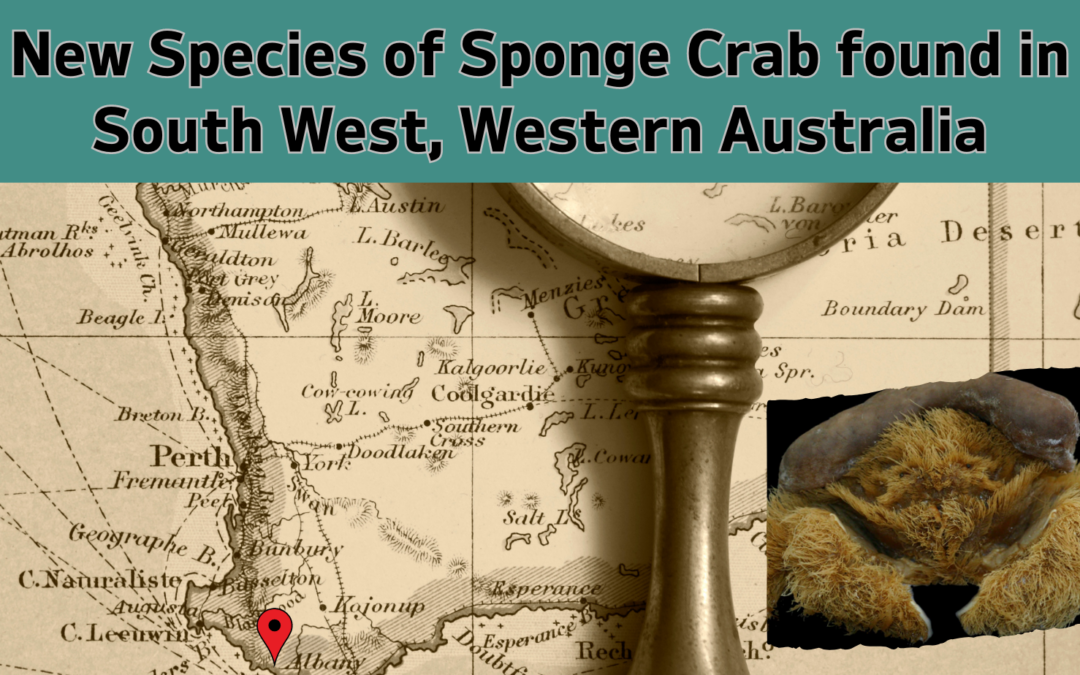
In mid-June 2022, a hairy crab was found by a family off the coast of Western Australia near the town of Denmark. It was sent to Dr Andrew Hosie, a local scientist working for the Western Australian Museum, for identification. It was identified as Lamarckdromia beagle...
by Aimee Smithers - Environmental Specialist (Graduate) | Apr 28, 2023 | Environment
The WA Environmental Protection Act 1986 (EP Act) was established to protect the environment from pollution and environmental harm through environmental protection policies and regulations that control land use and development throughout Western Australia (EPA,...
by Tamara Waddell | Mar 27, 2023 | Environment
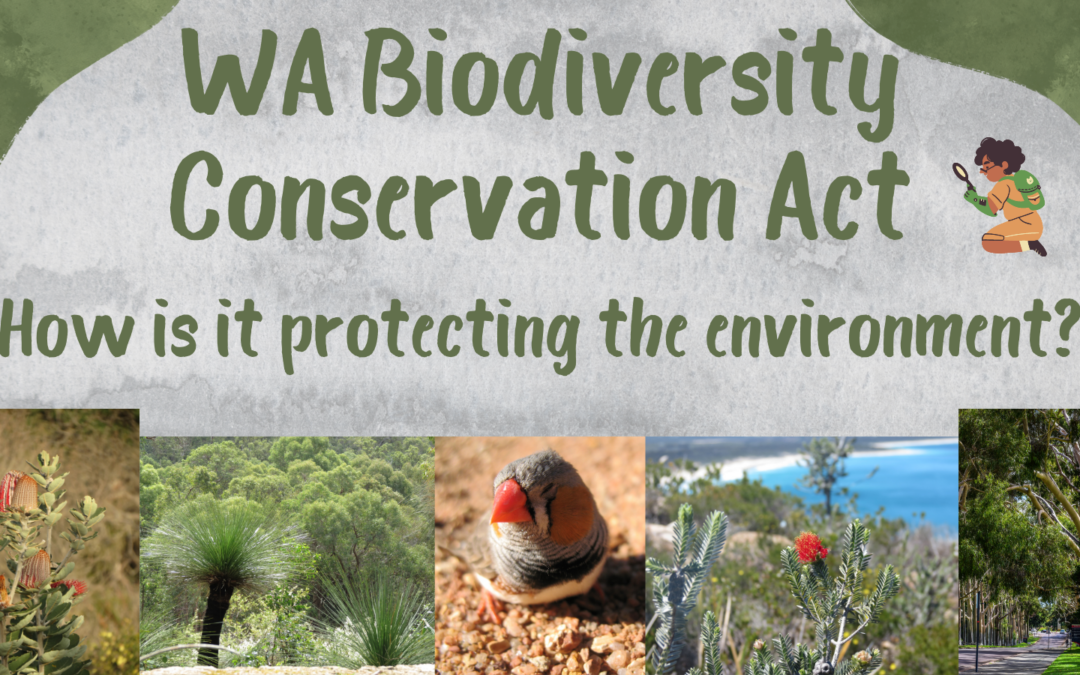
Western Australia is renowned for its rich and diverse biodiversity, which holds significant cultural, environmental, and economic importance. It is home to an incredible number of endemic plants and animals – meaning many of the plants and animals occurring in WA...
by Beverley Davis - Environmental Specialist (Graduate) | Feb 23, 2023 | Environment
As climate change starts to create a more visible impact across the planet, Australia is committed to looking at ways to reduce greenhouse gas emissions across the country. In support of Australia’s COP 27 commitments, the Federal Government has proposed that by 2050,...
by Janine Nicholson & Vicki-Lee Morrison | Feb 9, 2023 | Environment
Being an environmentally and socially responsible small to medium enterprise (SME) means: operating in a manner that minimises damage to the environment and benefits society; considering how and where your supplies come from; considering the effect your product or...